


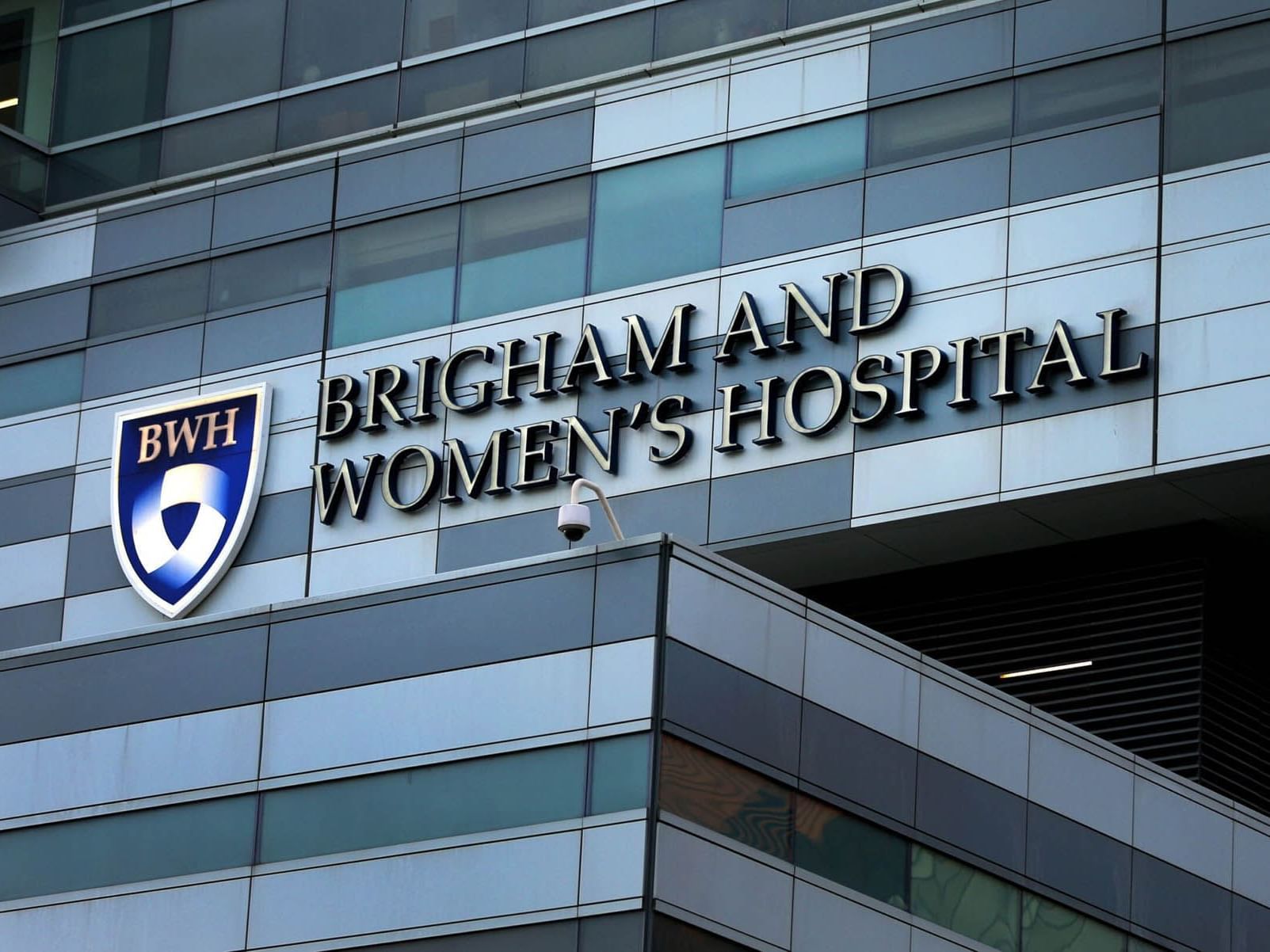
DFF supports pioneering MRI-guided radiation therapy at Brigham and Women’s Hospital providing alternative options for invasive procedures with real-time precision.
This approach reduces patient burden today and lays the foundation for effective and safer treatment options tomorrow.
Lead Investigators: Jonathan Leeman, MD; M. Aiven Dyer, MD; Idalid Franco, MD, MPH; Kelly Fitzgerald, MD, PhD
Institution: Brigham and Women’s Hospital, Radiation Oncology
Clinical Challenge
- Gynecologic cancers affect more than 100,000 women annually in the U.S. Traditional brachytherapy (internal radiation placed directly at the tumor site), though effective, is invasive, requiring anesthesia, hospitalization, and prolonged recovery.
- Many patients are ineligible or decline due to discomfort or medical risk, underscoring the urgent need for less invasive, equally precise treatment options.
Innovation
- BWH investigators are pioneering use of the MR-Linac, a Magnetic Resonance Imaging Guided Linear Accelerator, to deliver real-time, adaptive radiation therapy.
- This technology enables clinicians to “see while treating,” allowing precise targeting of tumors while sparing healthy tissue.
DFF-Funded Approach
- MR-SMART Trial (NCT04115254): Evaluating MRI-guided stereotactic body radiation therapy (SBRT) as an alternative to brachytherapy for gynecologic cancers.
- Phase I: Safety and feasibility in 10 patients.
- Phase II: Efficacy and local control in 20 patients.
- Initial results have shown SMART to be feasible and safe for multiple indications including gynecologic cancers (Leeman et al, JNCI 2025, 117(11), 2289–2297).
Impact
- Testing MRI-guided SBRT as a non-invasive alternative to brachytherapy.
- Expanding access to advanced, image-guided therapies and paving the way for use in early-stage or benign conditions such as uterine fibroids.
“Your generosity has made it possible to launch this first-of-its kind clinical trial, laying the groundwork to advance our understanding of gynecologic cancer and offer new hope to patients and families. We are deeply grateful for your collaboration in accelerating research that brings us closer to safer, smarter, and more effective cancer care for every patient.” Jonathan Leeman, MD.
